


Comprehensive Laboratory Testing
for Clinical & Institutional Needs
Connecting advanced diagnostic science with accessible laboratory services to support healthcare providers and institutions with the specialised testing capabilities needed across modern healthcare.
CORE SERVICE
Primary Laboratory Testing Services
We offer specialised laboratory testing to address a range of diagnostic needs, combining established testing methods with advanced capabilities across our core services.

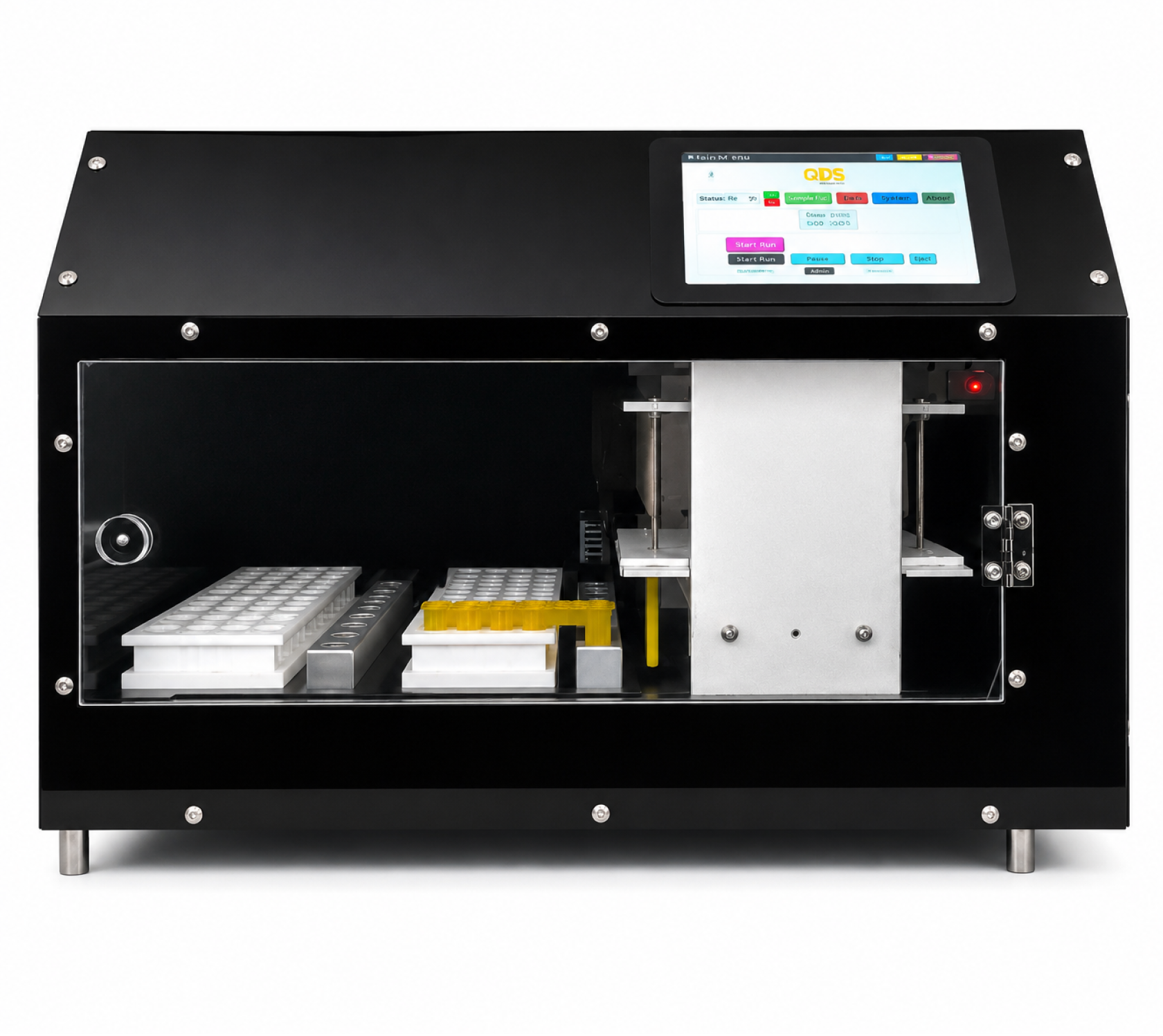
Next-Generation Sequencing testing supported by specialised laboratory infrastructure for advanced genomic testing needs.

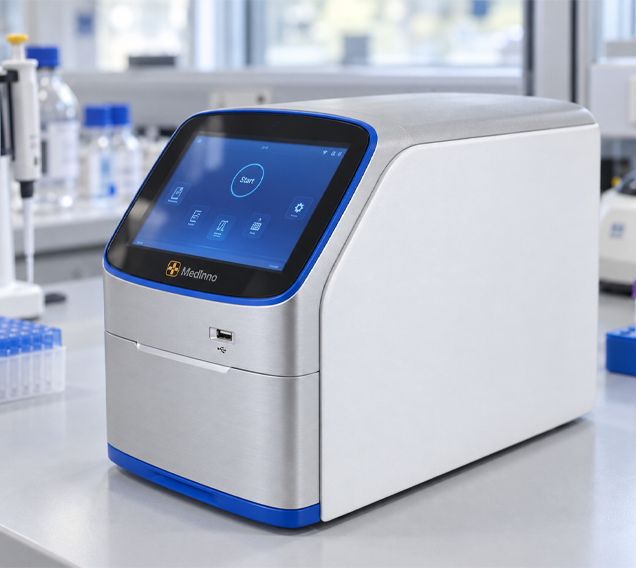
Real-Time PCR testing services supporting clinical and institutional testing requirements.Explore RT-PCR Services


LABORATORY CAPABILITIES
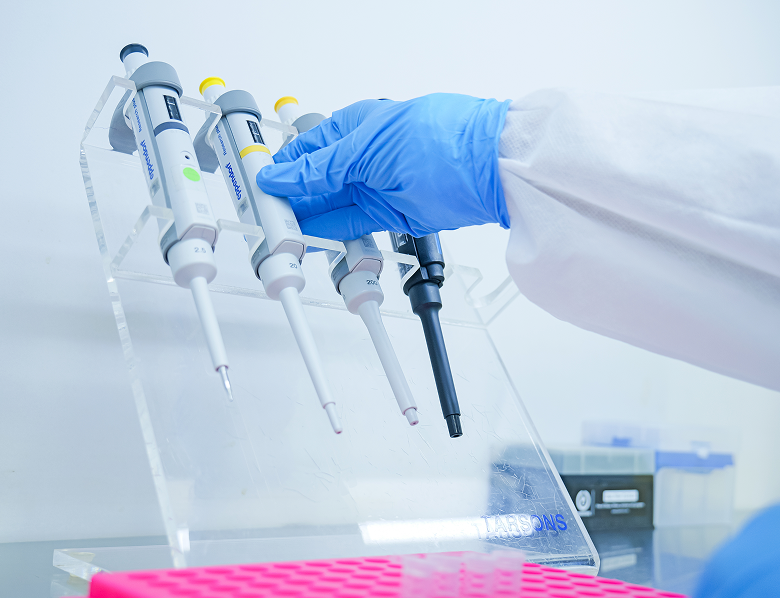
Modern sequencing and molecular diagnostic capabilities support our testing services, with laboratory systems designed to handle diverse clinical and institutional testing requirements.
Sample Management
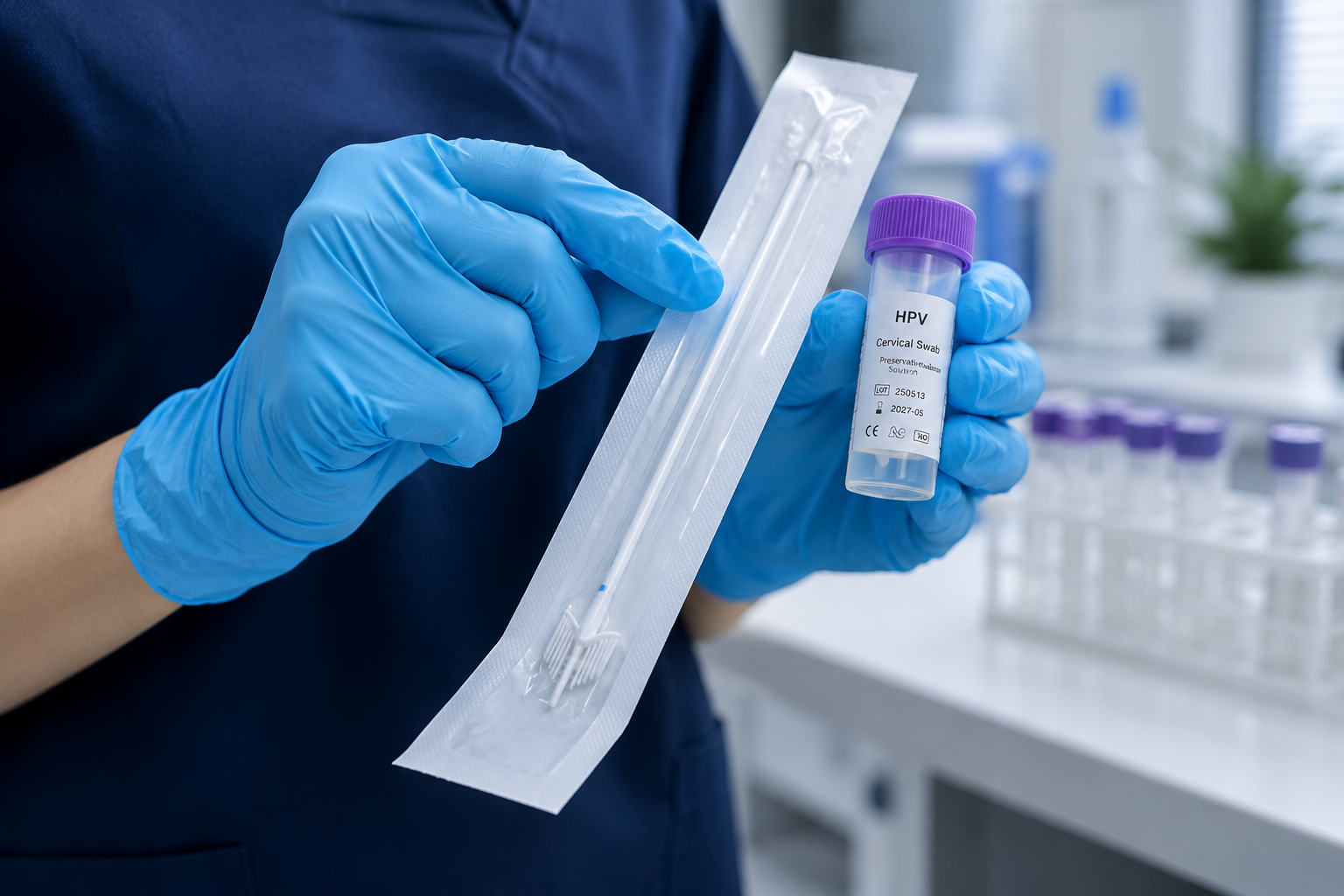
Structured sample collection, transport, intake, and processing help maintain traceability and appropriate conditions throughout the testing journey.
Quality & Accuracy Support
Diagnostic results are evaluated through established quality processes to support consistency, accuracy, and dependable clinical interpretation.
Clinical Reporting
Laboratory findings are translated into structured clinical insights and delivered through secure digital channels to support healthcare providers and institutional partners.

LABORATORY CAPABILITIES
NGS & Genomic Testing
Advanced sequencing capabilities support specialised genomic and genetic testing needs.

LABORATORY CAPABILITIES
Molecular Diagnostics
Specialised molecular testing supports diagnostic needs beyond routine laboratory testing.

LABORATORY CAPABILITIES
Clinical Testing
Testing services support hospitals, clinicians, and other healthcare users with specialised diagnostic needs.

LABORATORY CAPABILITIES
Laboratory Infrastructure
Advanced laboratory infrastructure supports sequencing and molecular diagnostic testing at scale.

LABORATORY CAPABILITIES
Expert Consultation
Expert consultation is available to support clinical partners with testing requirements and interpretation.
Questions
About Our Testing Services
Find clear answers about our testing services, laboratory capabilities, sample requirements, support, and the steps involved in working with our team.
What laboratory testing services are available?
Our primary laboratory testing services include Next-Generation Sequencing (NGS) and Real-Time PCR testing. We also offer specialised molecular and genetic testing services for different clinical needs. The available tests and panels depend on the type of testing required and the clinical purpose of the request.
What is Next-Generation Sequencing used for?
Next-Generation Sequencing is used for advanced genomic testing and can support different genetic and clinical applications. Our NGS service includes a range of tests and panels, supported by specialised laboratory infrastructure. Test availability, clinical use, and sample requirements can vary based on the specific service selected.
What is Real-Time PCR testing used for?
Real-Time PCR is one of our primary laboratory testing services. It is used for molecular diagnostic testing across relevant clinical and healthcare requirements. The exact application, test type, sample requirements, and reporting details depend on the specific test being requested. Our team can provide the relevant information for each available service.
Who can use your laboratory testing services?
Our laboratory services are intended for a range of healthcare users, including hospitals, clinicians, diagnostic laboratories, institutions, and other healthcare partners. The wider MedInno service model also supports government and public health requirements. The appropriate service depends on the testing need, intended use, and type of organisation making the request.
How do I arrange a sample for testing?
Sample collection and transport are part of the laboratory service journey. Depending on the selected test, specific sample collection and cold-chain requirements may apply. Information about these requirements can be provided as part of the testing service so that the sample reaches the laboratory in the required condition.
Can I speak with someone before choosing a test?
Yes. Expert consultation is included in the planned service structure. Clinical partners can speak with a suitable expert to understand available testing options, discuss their requirements, and identify the appropriate service for their needs before proceeding with testing.
How can I get started with a testing service?
You can begin by reviewing the available testing services or contacting our laboratory team about your requirement. Depending on the service, the next step may involve selecting a test, arranging sample collection, or discussing the request with a laboratory representative before testing begins.