



HLA Typing (High Resolution)
An NGS-based assay that accurately identifies Human Leukocyte Antigen alleles across multiple loci, supporting precise donor matching for organ and stem cell transplantation, disease association studies, and broader immunogenetics research applications.

Clinical Insight
Understanding HLA Matching
High-Resolution HLA Typing is a next-generation sequencing assay that examines a peripheral blood sample to identify Human Leukocyte Antigen alleles with a high degree of accuracy. HLA molecules play a central role in immune recognition, making precise typing essential for determining compatibility between transplant donors and recipients.
The panel covers a comprehensive set of HLA loci, including HLA-A, B, C, DRB1, DRB3/4/5, DQA1, DQB1, DPA1, and DPB1, providing a detailed genetic profile beyond what lower-resolution methods can achieve. This level of precision helps reduce the risk of transplant rejection, supports better outcomes in organ and stem cell transplantation, and provides valuable data for immunogenetics and disease association research.



Clinical Applications
Identifies HLA-A, HLA-B, and HLA-C alleles, key markers used to assess tissue compatibility between transplant donors and recipients.
Clinical Applications
Types HLA-DRB1 and DRB3/4/5 alleles, critical Class II markers involved in immune recognition and transplant compatibility.
Analyzes HLA-DQA1 and DQB1 alleles, additional Class II markers relevant to organ and stem cell matching.
Examines HLA-DPA1 and DPB1 alleles, completing the Class II profile used in transplant compatibility assessment.

Testing Benefits
Benefits Of High-Resolution HLA Typing

Accurate Donor Matching
Precisely identifies HLA alleles across multiple loci, supporting reliable compatibility assessment between transplant donors and recipients.
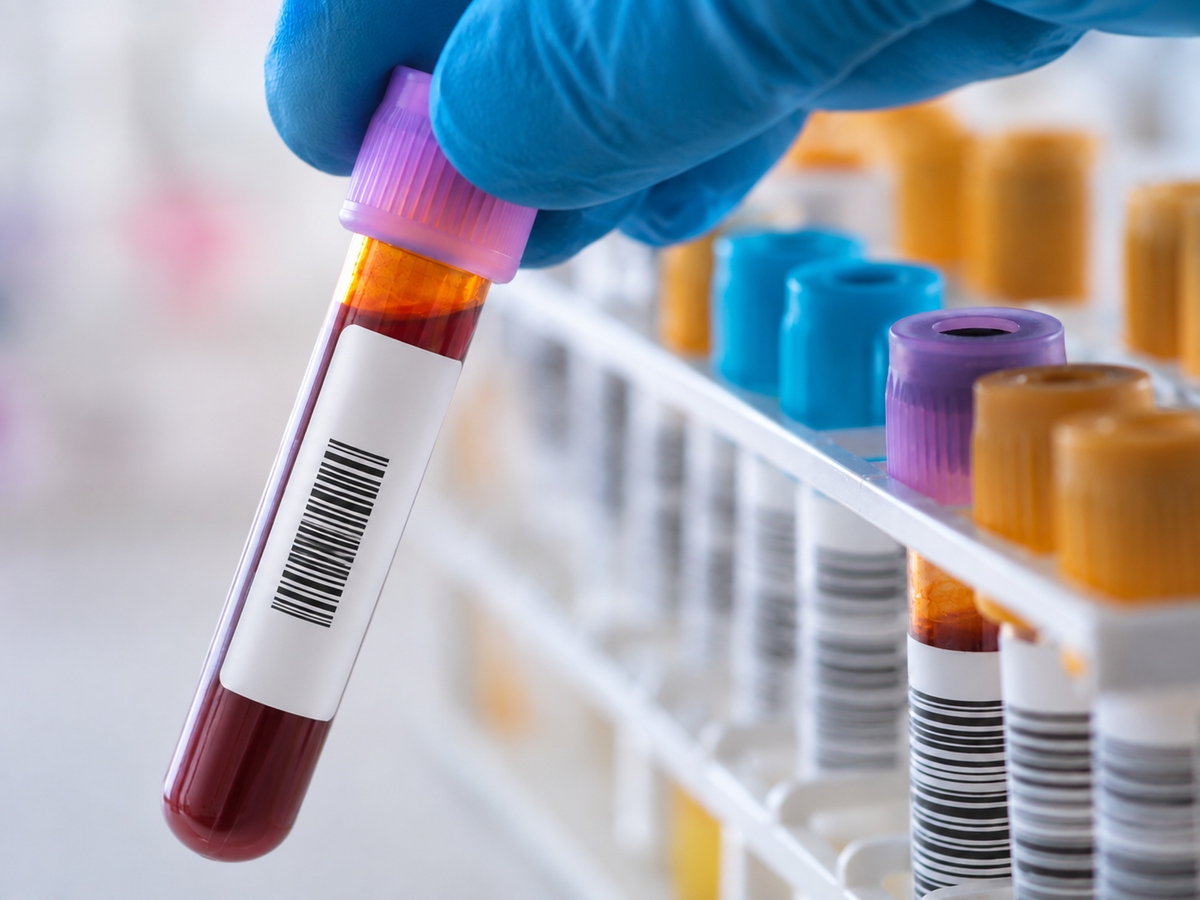
Reduced Transplant Rejection
Improves matching accuracy between donor and recipient tissue, helping lower the risk of immune-related transplant rejection.

High-Resolution Typing
Provides detailed allele-level resolution beyond standard typing methods, capturing genetic variation that lower-resolution testing may miss.

Multi-Gene HLA Analysis
Analyzes nine key HLA loci, including Class I and Class II markers, for a complete immunogenetic profile.
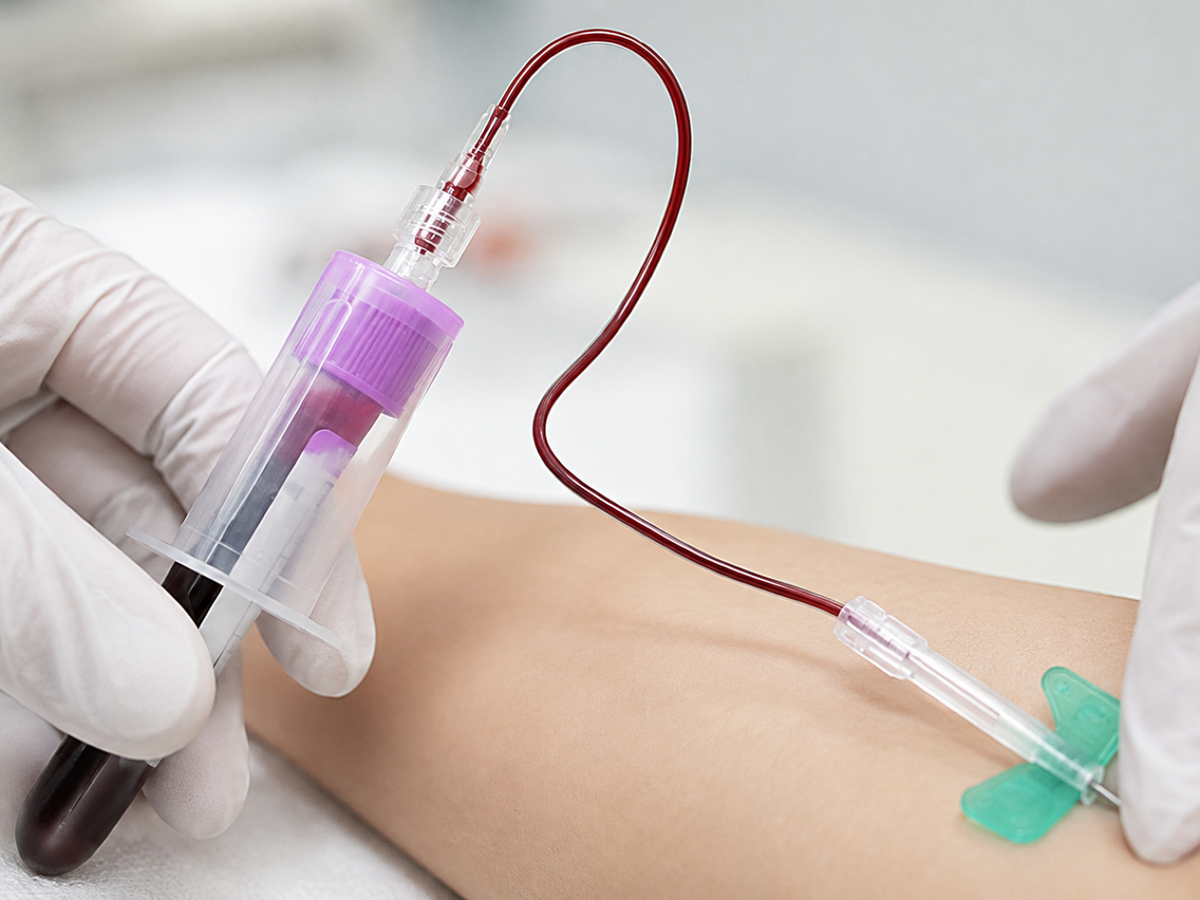
Single Blood Sample Testing
Requires only a peripheral blood draw, making the test straightforward to incorporate into pre-transplant evaluation workflows.
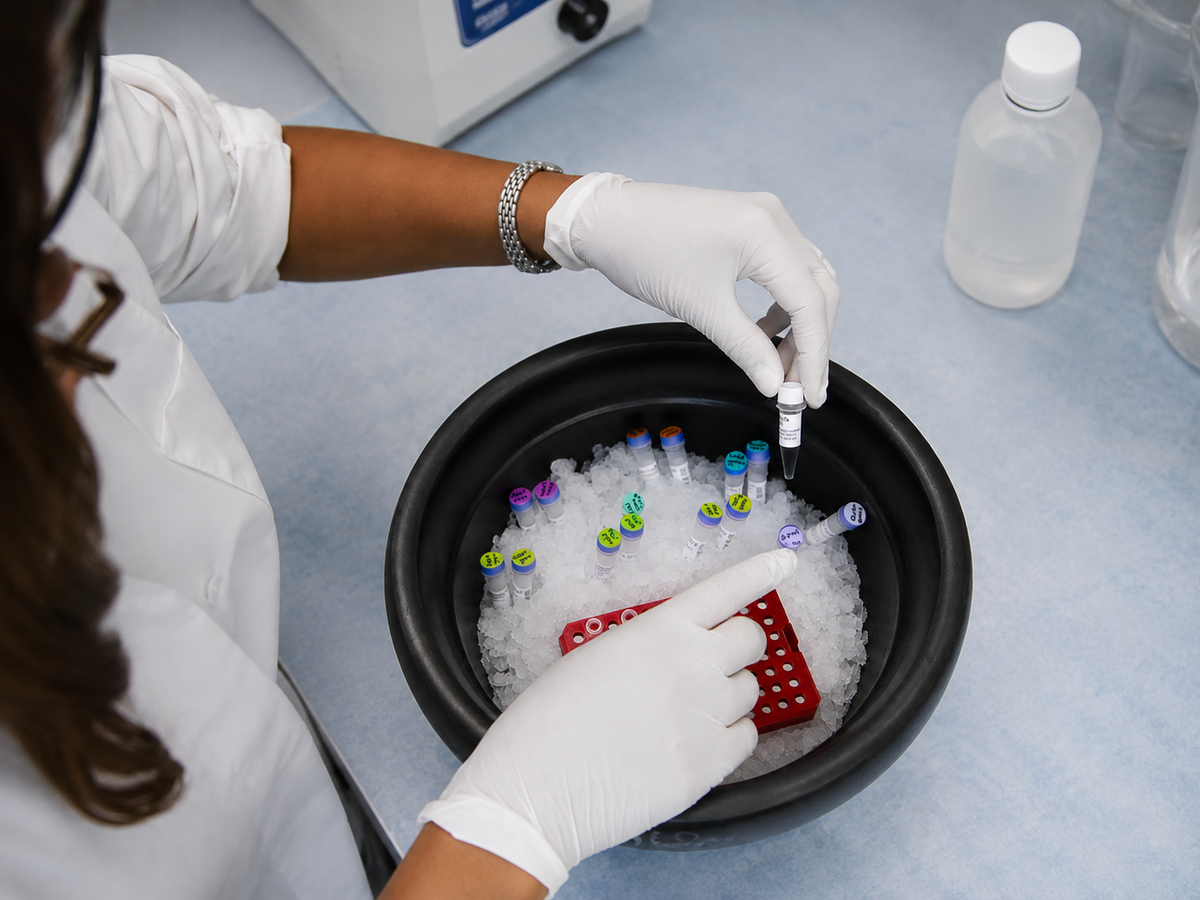
Supports Disease Association Studies
Provides detailed HLA data useful for immunogenetics research and studies linking specific alleles to disease risk.
Schedule Your Test
Reach out to our specialists to arrange high-resolution HLA testing and receive dedicated support at every step.
